

Light Isn’t New
What French Colonial Design Still Teaches Us in Mississippi
_________________________________________________________
Great light and comfort aren’t modern inventions. If you want better natural light in Mississippi, it helps to study the old playbook. French Colonial design—shaped by the West Indies and the Gulf South—used deep porches, tall windows, shutters, and airflow to brighten interiors while controlling heat. You don’t have to build a historic replica to use the lesson: orient the house well, shade the openings, and keep window proportions calm and intentional.
In the last post, I talked about why great natural light isn’t mainly about bigger windows — it’s about sun orientation and smart placement.
Here’s the fun part: none of this is new.
Traditional architecture solved light, heat, and comfort a long time ago — before air conditioning, before giant glass walls, before anyone had ever said the phrase “open concept” out loud.
If you want a masterclass in light and comfort, look at how classic vernacular styles evolved in hot climates — especially French Colonial as it developed through the French West Indies and the Gulf South. Those buildings weren’t just pretty. They were smart.
_________________________________________________________
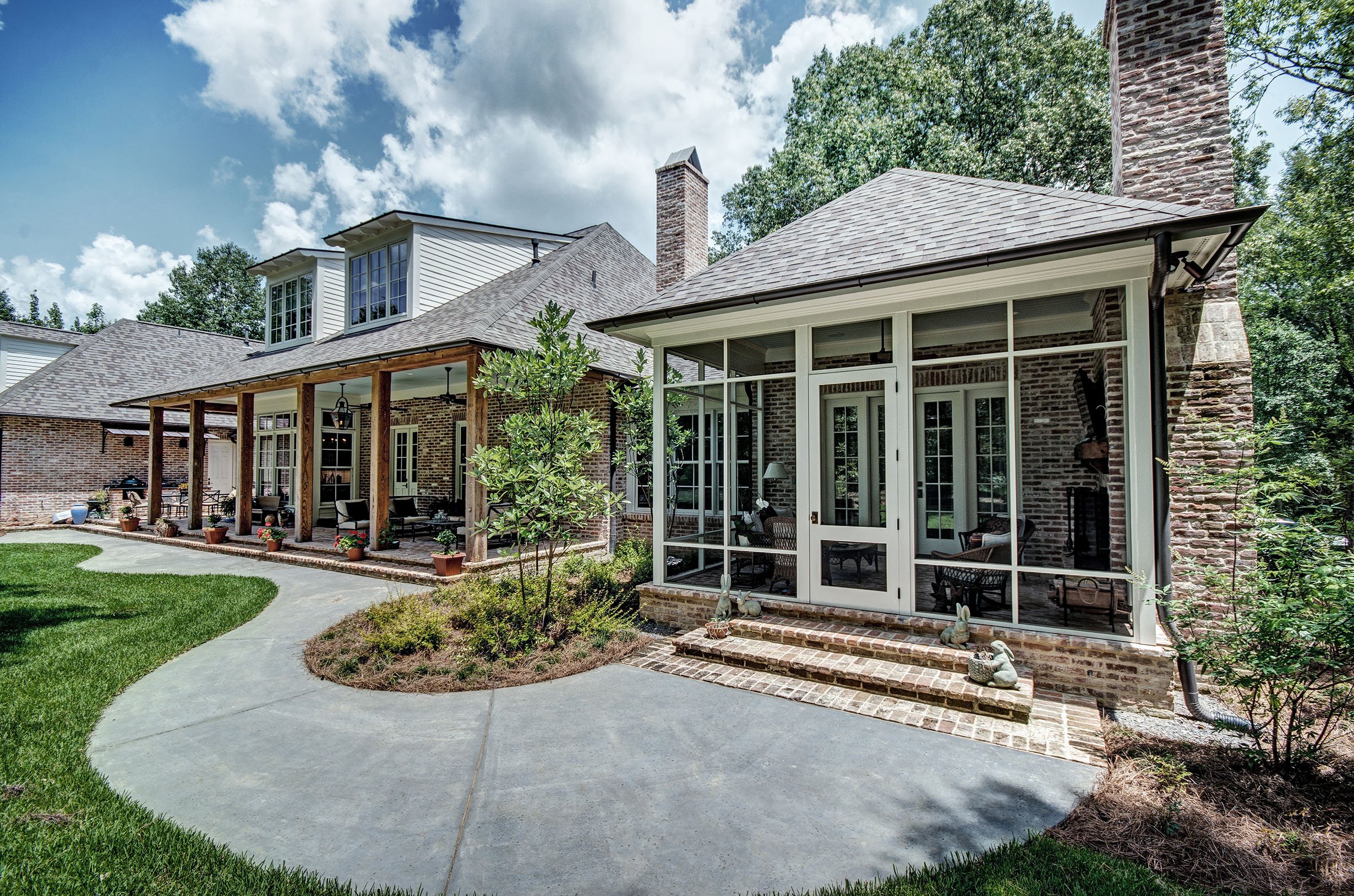
The Porch Was Climate Technology (Not Decoration)
In Mississippi, the porch isn’t a style choice. It’s a performance tool.
In French Colonial traditions, deep galleries and porches do a few important things at once:
Shade the walls and windows (which dramatically reduces heat gain)
Create a comfortable outdoor “buffer zone”
Let you have taller openings without overheating the interior
Provide places for outdoor living that actually get used
Modern homes often try to solve comfort with better glass and bigger HVAC. Traditional homes solved it with form.
Tall Windows, Shutters, and Airflow Were the Original “Systems”
A lot of West Indies–influenced French Colonial design is basically:
“Let the building breathe, but don’t let the sun punish you for it.”
Common elements were:
Tall doors and windows to move air and bring in light
Operable shutters to control glare and heat while still allowing ventilation
Transoms (or high openings) to release hot air and brighten interior halls
High ceilings that let heat stratify above the living zone
It’s not just romantic history — it’s physics that still works.
Why Proportion Makes Light Feel Better
Here’s where classical thinking matters.
Even when two rooms have the same amount of light, one can feel calmer and more “right.” Often it’s because of proportion.
Classical architecture is obsessed with relationships:
window height to width
window size to wall mass
spacing and rhythm across a façade
hierarchy (important rooms get important openings)
When windows are well-proportioned, light tends to feel controlled, not chaotic.
When windows are randomly sized and randomly placed, you can get plenty of light — but the house often feels visually restless.
Light, Comfort, and Beauty Often Come From the Same Moves
This is what I love about vernacular design: the practical stuff and the beautiful stuff are usually the same thing.
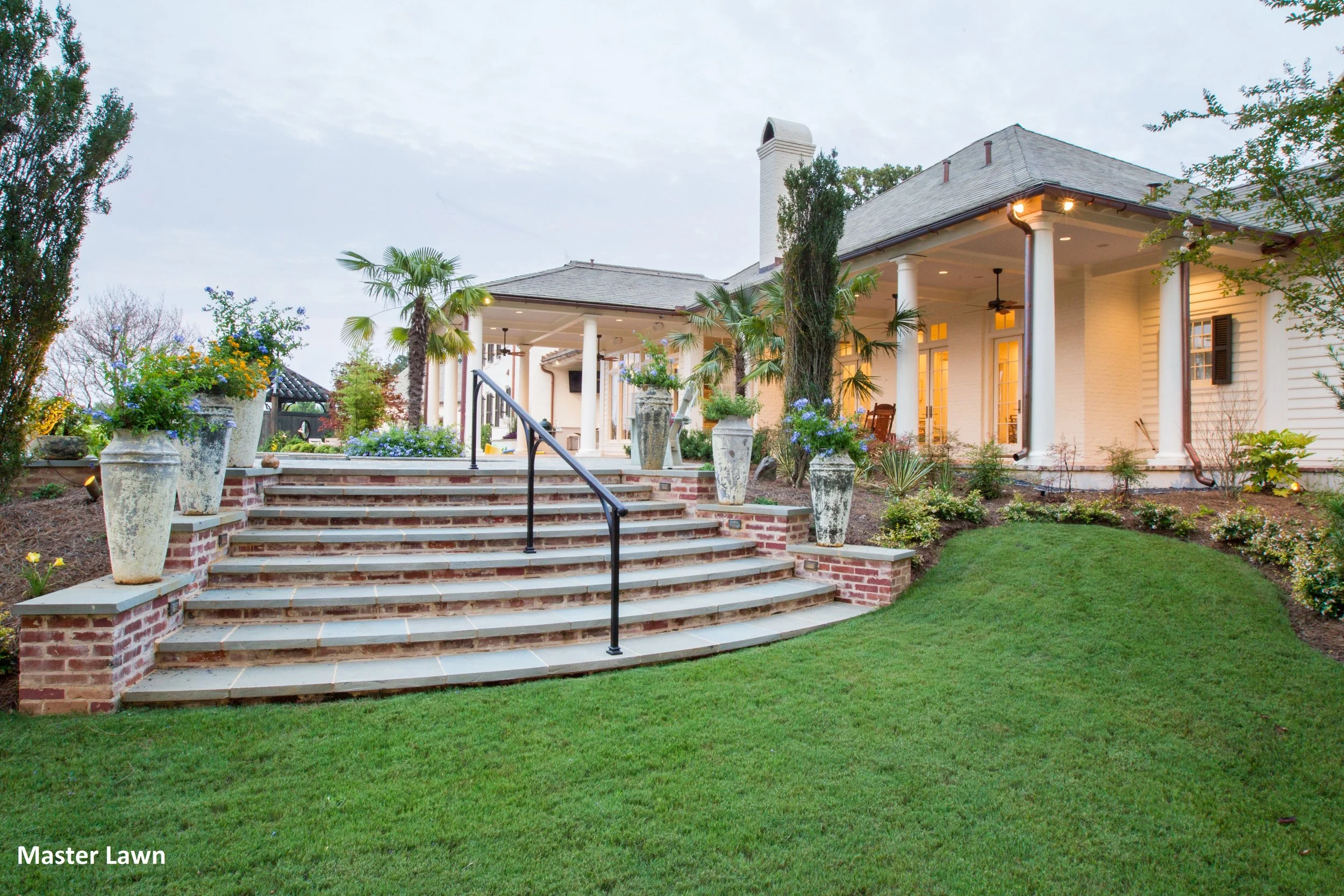
Deep porch = comfort and character
Tall openings = airflow and elegance
Rhythm of windows = proportion and order
Shaded outdoor rooms = climate strategy and lifestyle
That’s the goal: a house that’s bright, comfortable, and timeless — not bright-but-miserable.
How I Apply This in Mississippi Today (Without a Costume House)
You don’t have to build a literal historical replica to use these principles.
A modern Mississippi home can borrow the “why” without copying the “look”:
Put porches where they actually shade the home (not just where they look good)
Favor north/east light and control south/west exposure
Use fewer, better-placed windows instead of glass everywhere
Build in hierarchy: where do you want the big light moment?
Let the exterior show a calm rhythm — not a bunch of one-off openings
Bottom Line
If you want great natural light in Mississippi, you don’t need to reinvent the wheel.
Traditional architecture already figured out how to shape light, shade, and airflow. The best homes today still follow the same basics — they just express them in different styles.
And the funny part is: when you get those basics right, the house doesn’t just perform better. It usually looks better too.